Key Takeaways & Executive Summary
- Extreme Elevation: At 5,036 meters (16,522 feet), Vinicunca has nearly 50% less effective oxygen pressure than sea level, creating severe altitude sickness risks if tackled prematurely.
- Grueling Logistics & Crowds: Standard group tours depart Cusco at 3:00 AM, subjecting travelers to a bumpy 3.5-hour drive and over 1,500 hikers vying for photo space on steep dirt trails.
- Weather Volatility: Alpine conditions can shift within 20 minutes; freezing rain, snowstorms, and thick fog frequently obscure the mineral colors completely between November and April.
- Superior Luxury Alternatives: Discerning travelers can opt for private VIP sunrise departures with medical oxygen, the gentler Palccoyo Rainbow Valley, or multi-day Ausangate luxury lodge treks.
The Instagram vs. Reality Divide: How Vinicunca Became a Sensation
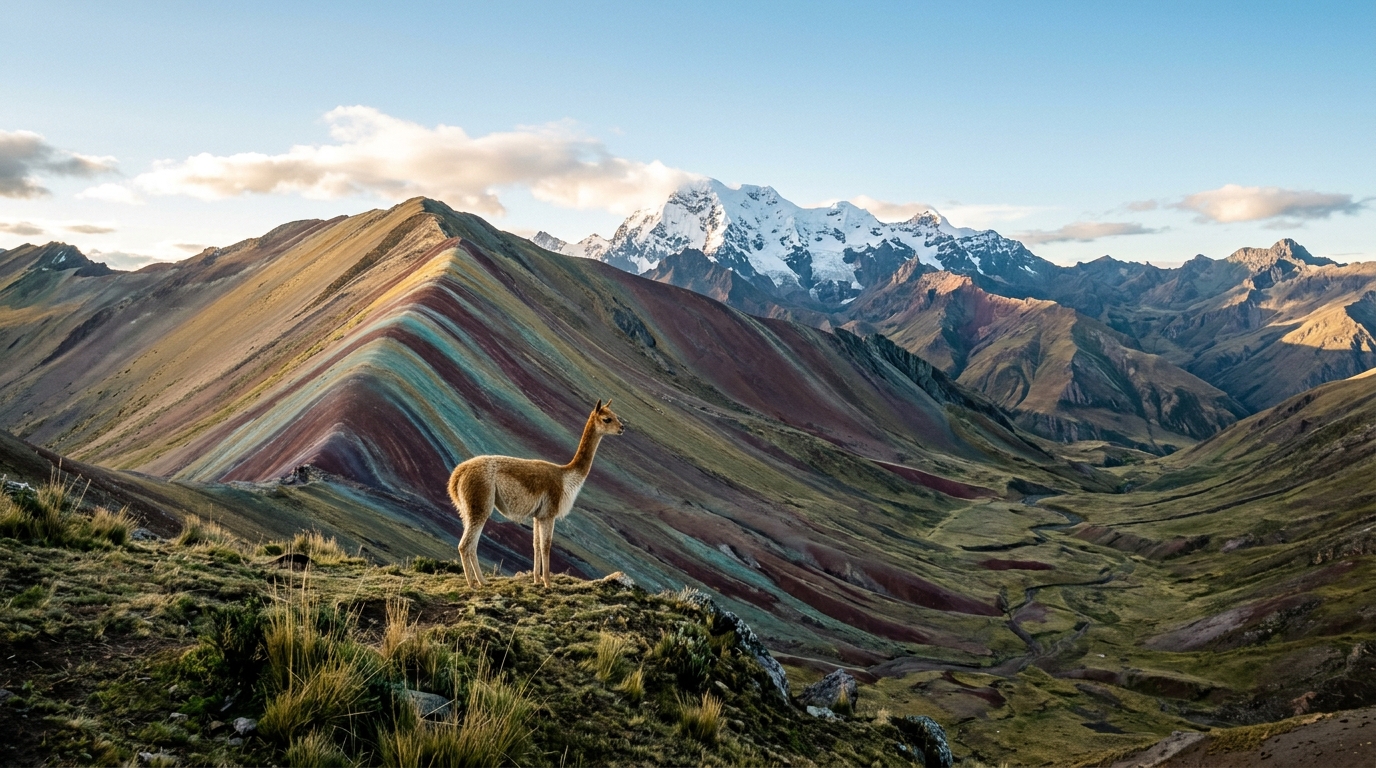
Until roughly 2015, the multi-hued crest of Vinicunca—popularly known as Rainbow Mountain or the Mountain of 7 Colors—remained virtually unknown to the outside world, insulated beneath thick Andean permafrost and snow. As glacial caps receded, 14 distinct mineral-rich sedimentary layers were unveiled, showcasing turquoise chlorite, golden-yellow limonite, lavender phyllite, and terracotta iron oxide.
Almost overnight, heavily saturated photos flooded Instagram, depicting electric neon bands that appeared digitally painted across the summit. While the authentic landscape is undeniably magnificent, the reality is far more subtle and earthy: soft pastel mineral striations framed by harsh, barren alpine tundra. Travelers arriving with expectations of hyper-saturated technicolor are often caught off guard by the rugged, unforgiving conditions of the high Vilcanota mountain range.
The Altitude Reality: Breathing at 5,036 Meters (16,522 Feet)
The single greatest barrier to enjoying Vinicunca is not the walking distance, but the sheer physiological impact of extreme elevation. The summit viewpoint stands at an astounding 5,036 meters (16,522 feet) above sea level—higher than Europe’s Mont Blanc (4,809 m) and substantially higher than Machu Picchu (2,430 m) or Cusco (3,400 m).
At this elevation, barometric pressure is roughly half that of sea level. Every single step demands intense cardiovascular output. Many visitors experience Acute Mountain Sickness (AMS), characterized by throbbing headaches, nausea, lightheadedness, and profound fatigue. Attempting this trek on day two or three of a Peru vacation—before the body has synthesized sufficient red blood cells—is the number-one reason travelers cut their trips short due to medical distress.
Grueling 3:00 AM Logistics & Unpredictable Alpine Weather
The typical commercial excursion requires waking up at 3:00 AM in Cusco, followed by a bone-jarring 3.5-hour drive on unpaved mountain switchbacks. By 9:00 AM, hundreds of minivans converge simultaneously at the trailhead, releasing upwards of 1,500 to 2,000 visitors who march up the same narrow dirt path accompanied by pack horses, kicked-up dust, and selfie sticks.
Furthermore, weather in the high Andes is notoriously capricious. Between November and April (the rainy season), the mountain is routinely blanketed in snow or shrouded in dense fog, rendering the famed colors completely invisible. Even in the dry season (May through October), sub-zero morning winds, sudden hail squalls, and blistering UV radiation require comprehensive mountaineering clothing rather than casual athleisure.
Who Should Skip Vinicunca? An Honest Evaluation Matrix
At Peru Luxury Travel, our philosophy centers on curated comfort and authentic travel enjoyment rather than ticking off rushed tourist boxes. You should strongly reconsider the standard Vinicunca trek if you fall into any of the following categories:
- Travelers with limited time in Cusco: If you only have 3 to 4 days in the Andean highlands, spending an entire day physically exhausted from altitude sickness can ruin your subsequent visit to Machu Picchu.
- Individuals with cardiovascular or respiratory concerns: The extreme elevation places significant stress on the heart and lungs; medical consultation is mandatory for those with hypertension, asthma, or cardiac histories.
- Families traveling with young children or seniors: The steep final 200-meter scree incline cannot be navigated by horses and poses genuine slipping and breathing hazards.
- Seekers of quiet, contemplative wilderness: If your vision of the Andes involves pristine silence, whisper-soft breezes, and meditative landscapes, the mass crowds at Vinicunca will likely disappoint.
Superior Luxury Alternatives: Palccoyo, VIP Sunrise & Ausangate Lodges
Choosing not to visit Vinicunca does not mean missing out on Peru’s geological grandeur. Discerning travelers can select from three vastly superior options:
1. The Palccoyo Alternative: Gentle Walking & Three Rainbow Mountains
Located just three hours from Cusco, Palccoyo offers a dramatically superior experience for luxury travelers. Instead of a grueling 2-hour uphill trek, Palccoyo features a gentle 45-minute stroll along a relatively flat ridge at 4,900 meters. Even better, you view three distinct rainbow-striped peaks, a surreal geological "Stone Forest" (Bosque de Piedras), and vast herds of grazing alpacas—all shared with barely a dozen other visitors throughout the morning.
2. Private VIP Sunrise Departure to Vinicunca
If Vinicunca is an uncompromising bucket-list dream, Peru Luxury Travel coordinates a dedicated VIP expedition. Traveling in a customized private Mercedes-Benz Sprinter equipped with hospital-grade supplemental oxygen, gourmet breakfast baskets, and a certified wilderness first-responder guide, you arrive at the mountain before the tourist mass arrives, enjoying a private window of peaceful morning light.
3. The Ausangate Luxury Lodge Trek
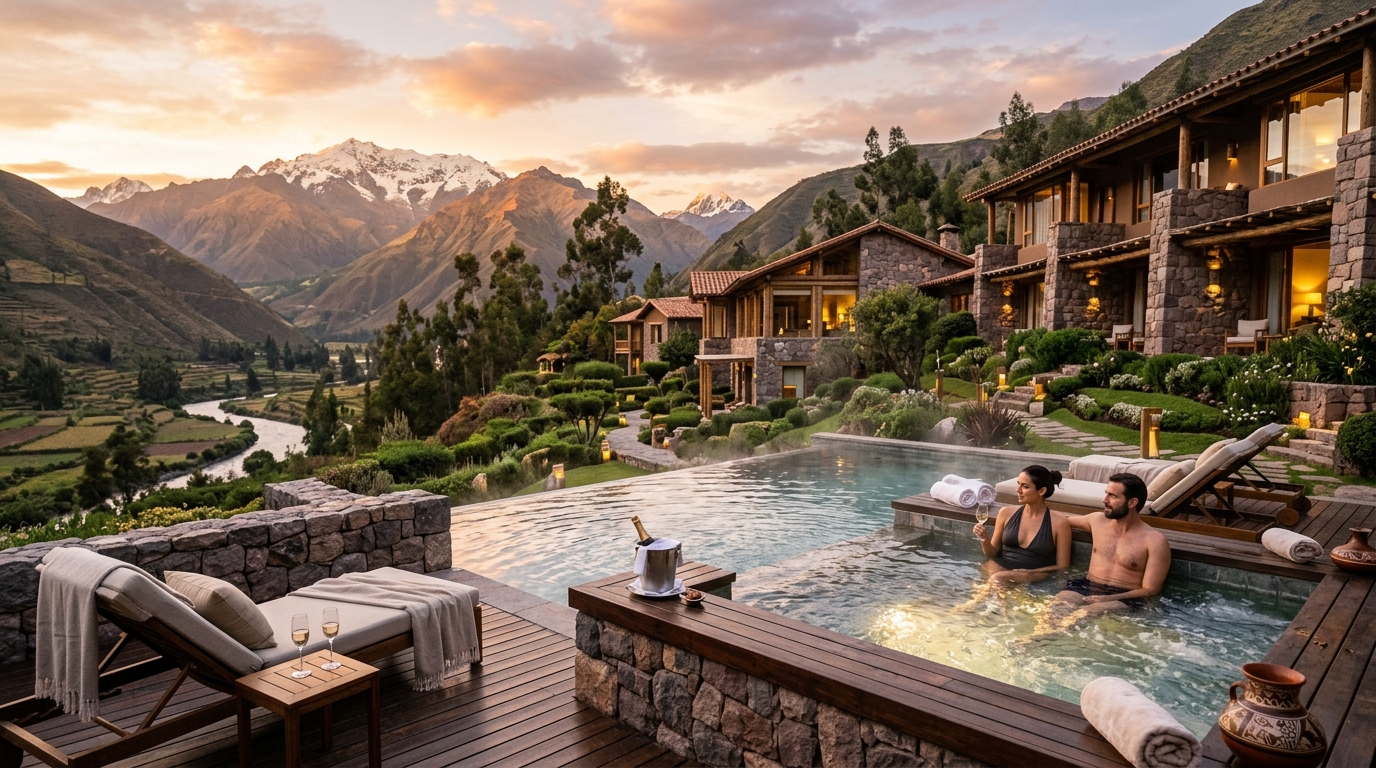
For adventurous connoisseurs, our multi-day Superior Luxury Condor Journey to Machu Picchu and bespoke high-altitude circuits integrate the legendary Andean Lodges around Mount Ausangate. You sleep in heated stone lodges with goose-down duvets, hot showers, and gourmet three-course dinners prepared by executive chefs, approaching the striped mountains in absolute privacy.
Frequently Asked Questions About 7 Colors Mountain
Is Rainbow Mountain harder than the Inca Trail?
In terms of elevation, yes. The highest pass on the Classic Inca Trail (Dead Woman’s Pass) is 4,215 meters (13,828 ft), whereas Vinicunca reaches 5,036 meters (16,522 ft)—over 800 meters higher. While the Inca Trail is a multi-day endurance test, the acute altitude strain at Vinicunca is significantly more intense.
Can I ride a horse all the way to the summit?
Local community members rent horses for the initial gradual portion of the trail. However, due to steepness, loose shale, and safety regulations, horses cannot climb the final 200-meter crest. You must hike the steepest, highest section entirely on foot.
How many days of acclimatization are necessary before visiting?
We recommend spending at least 3 full days acclimatizing in Cusco (3,400 m) or the Sacred Valley (2,870 m) prior to attempting 7 Colors Mountain. Taking preventative altitude medication (such as Acetazolamide/Diamox under physician guidance) and drinking ample coca tea is strongly advised.
When is the best time of year to see the colors clearly?
The optimal window is during the Andean dry season from May to September, when blue skies and sunshine highlight the mineral layers. Avoid visiting between December and March, as snow cover and rainstorms frequently obscure the mountain.
Rainbow Mountain is undeniably a geological marvel, but it is not a casual day trip. Experiencing it safely and memorably requires realistic physiological preparation, private timing, or choosing an alternative like Palccoyo that respects your luxury vacation pace.
— Sofia Mendoza, Senior Travel Designer