Key Takeaways & Executive Summary
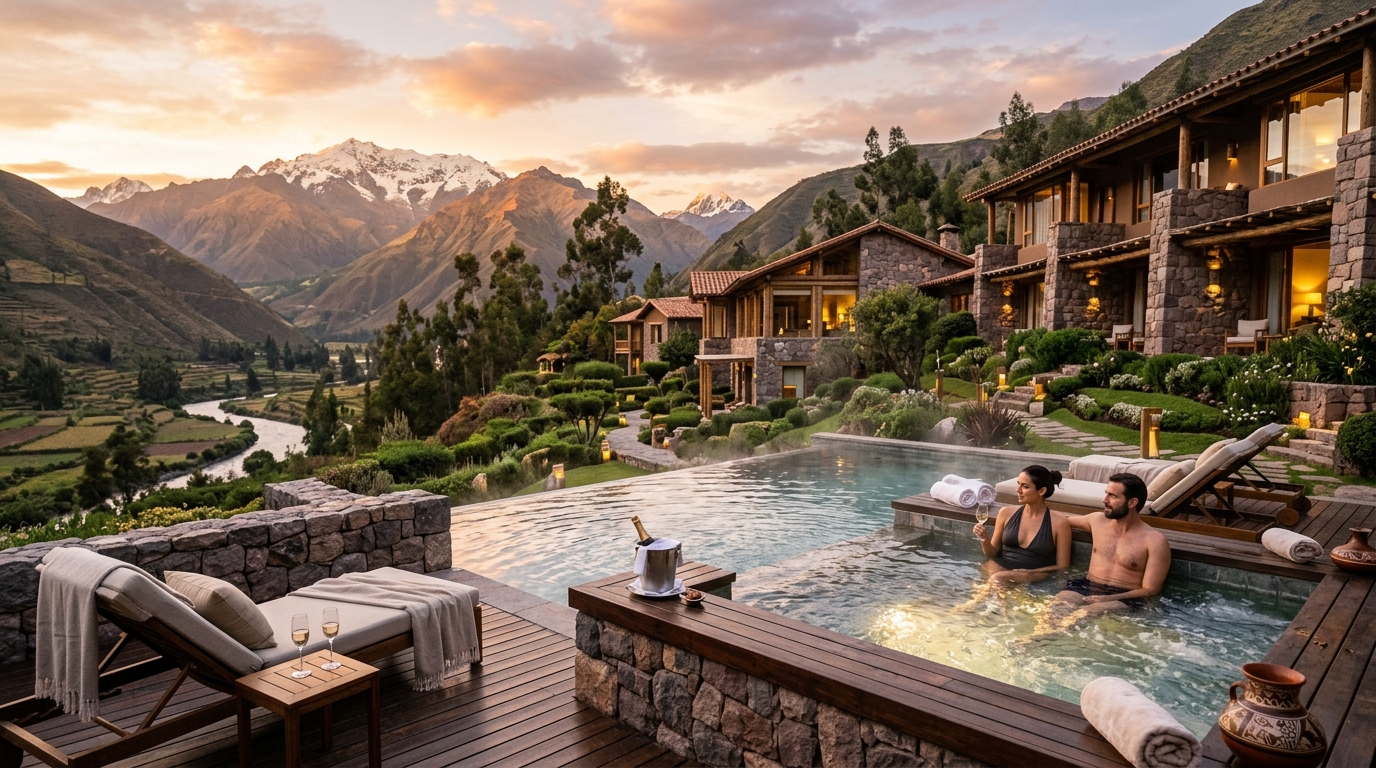
- Arrive directly into the Sacred Valley (2,870m / 9,400 ft) for your first 2 nights to acclimatize 60% faster before ascending to Cusco (3,400m).
- Belmond Hotel Monasterio and Palacio Nazarenas offer specialized oxygen-enriched guest suites that regulate ambient pressure.
- Drink traditional Muña (Andean mint) and Coca infusions throughout the morning, while avoiding heavy meals on arrival day.
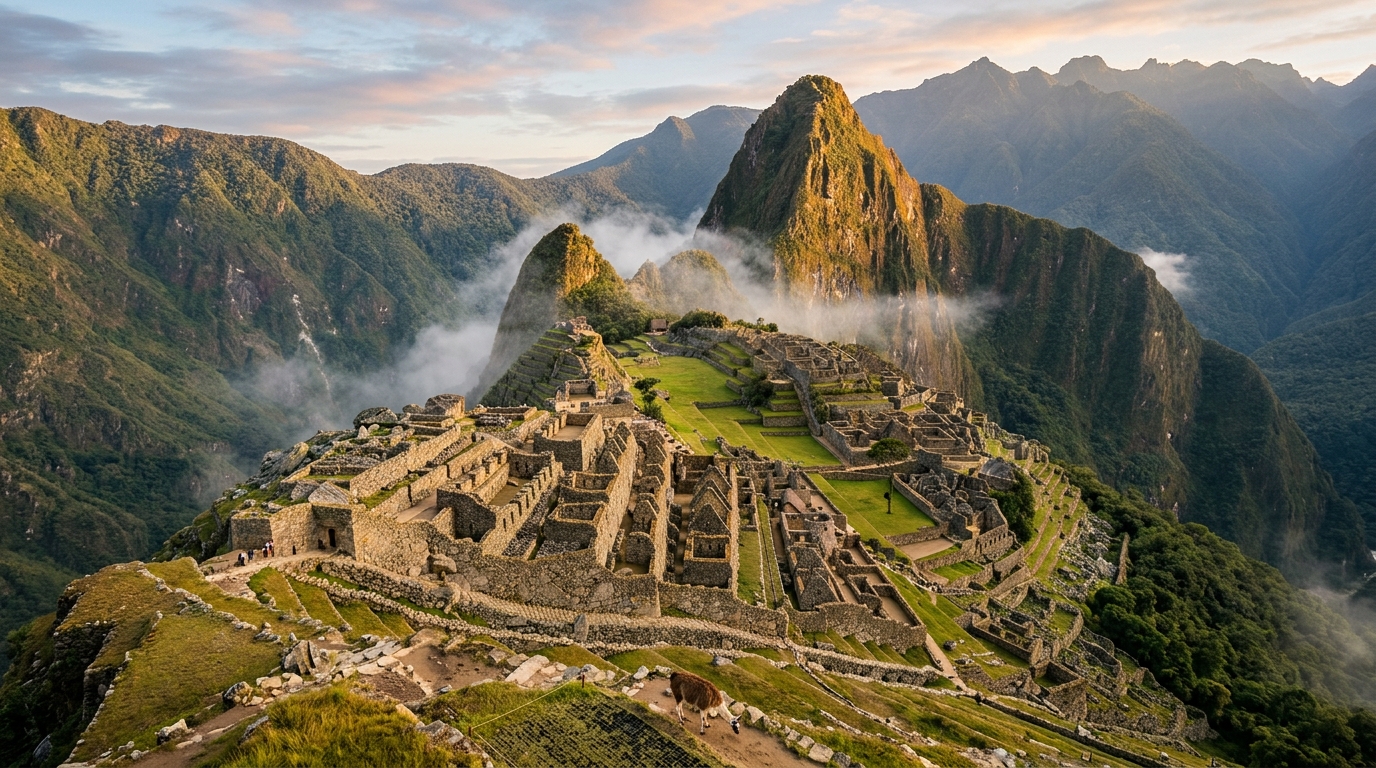
- Machu Picchu itself sits at only 2,430m (7,970 ft)—significantly lower than Cusco—making your visit physically comfortable once adapted.
Understanding Andean Altitude & Physiology
Planning an exceptional luxury vacation to the Peruvian Andes is one of the most rewarding travel experiences on Earth. However, navigating the transition from sea level to the high Andes requires thoughtful preparation and expert architectural pacing.
Cusco rests at an elevation of 3,400 meters (11,150 feet) above sea level. At this altitude, atmospheric barometric pressure is approximately 30% lower than at sea level. While the percentage of oxygen in the atmosphere remains constant at 21%, the lower air pressure means each breath delivers fewer oxygen molecules to your bloodstream. Known locally as soroche, initial symptoms can include mild headaches, light fatigue, and shortness of breath upon exertion.
Understanding this biological process is the key to mastering it. With our customized itineraries, every traveler acclimatizes smoothly, allowing you to focus entirely on the awe-inspiring beauty of Inca architecture, vibrant textiles, and Michelin-caliber dining.
The Sacred Valley Strategy: Sleep Low First
The single most valuable recommendation our travel consultants provide is immediately descending into the picturesque Sacred Valley of the Incas upon landing at Alejandro Velasco Astete International Airport in Cusco.
While Cusco sits at 3,400 meters, the Sacred Valley—encompassing towns like Urubamba and Ollantaytambo—rests comfortably between 2,790 and 2,870 meters (9,150 to 9,400 feet). This difference of over 500 vertical meters provides a critical physiological buffer:
- 60% Faster Adaptation: Your cardiovascular system adjusts smoothly without the initial shock of Cusco’s higher altitude.
- Warmer Microclimate: The valley is sheltered by towering mountains, creating mild, sunny afternoons and tranquil evenings.
- World-Class Luxury Sanctuaries: Properties like Tambo del Inka (Luxury Collection) and Belmond Rio Sagrado provide private riverside villas, heated hydrotherapy spas, and organic farm-to-table dining.
After two nights in the Sacred Valley, your red blood cell count will have naturally increased, leaving you perfectly conditioned for Machu Picchu (2,430m) and your subsequent return to Cusco.
Five-Star Oxygen-Enriched Suites in Cusco
When your itinerary transitions back up to the imperial capital of Cusco, luxury hospitality offers an exclusive amenity unavailable in standard travel: supplemental oxygen enrichment systems.
At historic five-star icons like Belmond Hotel Monasterio and Belmond Palacio Nazarenas, master suites are equipped with state-of-the-art oxygen systems that discreetly enrich room air by up to 24%. This simulated decrease in room altitude mimics sleeping at approximately 2,200 meters:
"Sleeping in an oxygen-enriched suite eliminates nighttime restlessness, stabilizes resting heart rates, and ensures you wake up fully energized to explore the cobblestone alleys of San Blas and the megalithic fortress of Sacsayhuamán."
Our dedicated travel designers routinely secure these specialized suites for our guests, coordinating private check-ins and bespoke butler attention.
Nutrition, Hydration & Andean Botanicals
Traditional Andean medicine has developed natural remedies for altitude adaptation over thousands of years. Integrating these botanicals into your morning ritual makes a noticeable difference:
Coca Leaf Infusions (Mate de Coca)
Coca tea contains organic alkaloids that gently stimulate blood circulation, dilate bronchial passages, and reduce altitude-induced headaches. Drink 1-2 cups each morning before midday.
Muña Herbal Tea (Andean Mint)
Locals consider Muña superior to Coca for digestive comfort. Because digestion slows at high elevations, sipping fresh Muña tea after meals soothes the stomach and eliminates fullness.
Electrolyte Hydration
Andean mountain air is exceptionally crisp and dry. We advise drinking at least 2.5 to 3 liters of purified water and electrolyte-balanced beverages daily during your first 48 hours.
High-Altitude Expedition Packing Checklist
The high Andes experience substantial temperature fluctuations between bright, sunlit middays and crisp, cool nights. To ensure effortless comfort during private archaeological tours, pack with a layering philosophy:
- UV 50+ Sun Protection: UV radiation increases by approximately 10-12% for every 1,000 meters of elevation. Quality polarized sunglasses and broad-spectrum mineral sunscreen are essential.
- Moisture-Wicking Base Layers: Merino wool or athletic synthetics keep your skin dry during walking circuits.
- Packable Down Jacket or Cashmere Layer: Lightweight warmth for early morning citadel departures and sunset viewing.
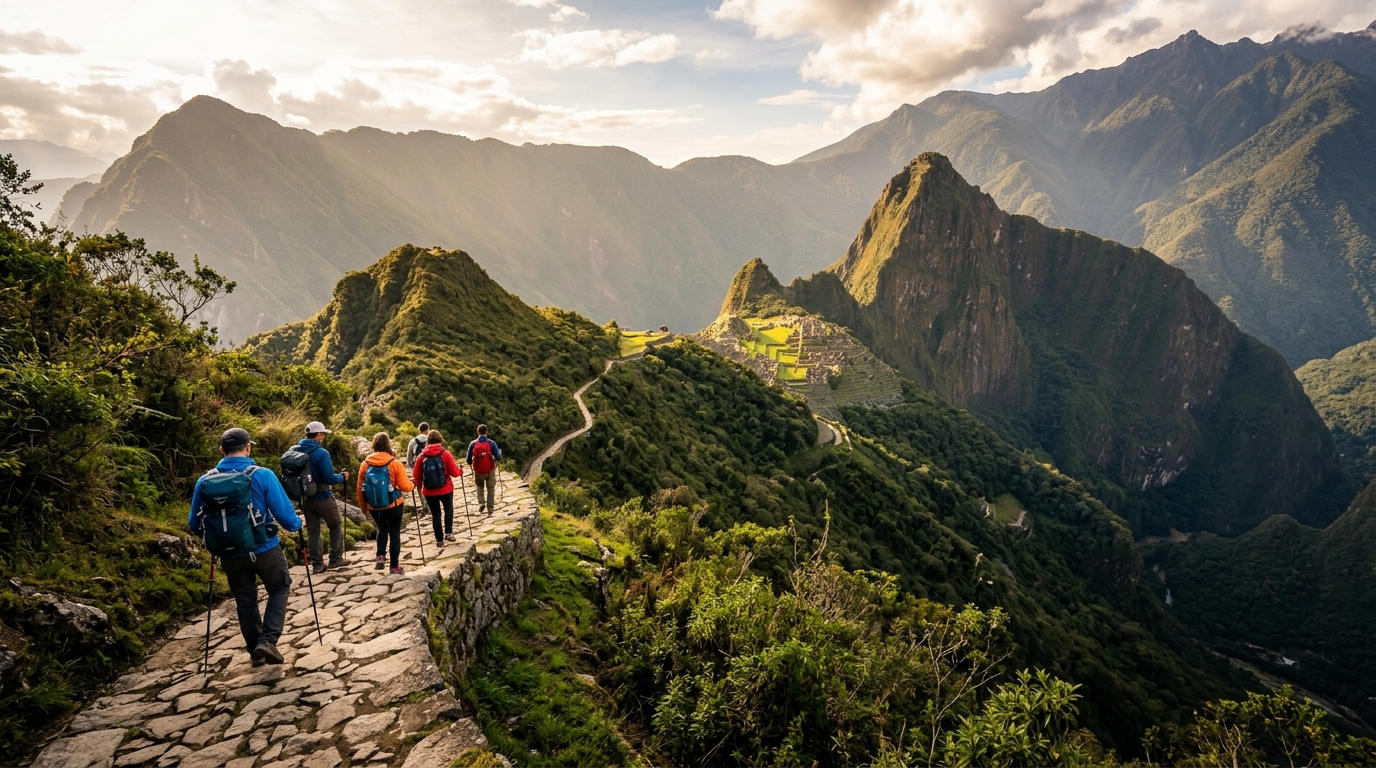
- Sturdy Trail Walking Shoes: With non-slip Vibram soles for navigating wet Incan granite stone staircases.
The secret to effortless altitude travel isn’t medication—it is pacing. Spend your first two nights in the warmth of the Sacred Valley, and you will arrive in Cusco feeling energized rather than exhausted.
— Carlos Valenzuela, Senior Expedition Director